
Skip to content

Cart

Your cart is empty

Nutritional Science

Back to Knowledge Vault

Section 6 of 6

Nutritional Science

What happens to your nutrition on a GLP-1 — the evidence for vitamin D, B vitamins, iron, electrolytes, protein, calcium, and fiber depletion, and why no one has standardized monitoring for it yet.

Vitamins01 / 08

Vitamin D

"Am I getting enough vitamin D on my GLP-1?"

The most commonly documented deficiency during GLP-1 therapy — compounded by baseline obesity-related insufficiency and dynamic changes during weight loss.

13.6%
Deficient at 12 months
49%
Higher risk vs. SGLT2i
Read the evidence
Vitamins

Vitamin D

"Am I getting enough vitamin D on my GLP-1?"

What the Research Shows

A 2026 review of 47 studies found vitamin D deficiency prevalence of 7.5% at 6 months escalating to 13.6% at 12 months, with dietary intake averaging only 20% of recommendations. GLP-1 RA users had 49% higher risk of insufficiency compared to SGLT2 inhibitor comparators. Baseline obesity itself is associated with lower vitamin D — the vitamin is fat-soluble and sequestered in adipose tissue. Rapid weight loss can paradoxically release sequestered vitamin D, creating transient fluctuations.

Key Takeaway

Vitamin D deficiency is the most commonly documented micronutrient abnormality during GLP-1 therapy, affecting more than 1 in 8 users by 12 months. The combination of reduced intake, baseline insufficiency, and dynamic weight-loss changes creates multi-layered risk. Baseline and periodic testing is worth discussing with your provider.

References (3 sources)
  • Urbina et al. Micronutrient Deficiencies with GLP-1 RA Therapy. Clinical Obesity. 2026
  • Nutrient intake during GLP-1 RA use. Frontiers in Nutrition. 2025
  • Supplementation for GLP-1 Agonists. MDPI Nutrients. 2024
Vitamins02 / 08

B Vitamins (B12, B6, B1)

"Why do I feel so tired? Could I be low in B vitamins?"

Deficiency rates reach 22.4% by 12 months — with rare but serious thiamine (B1) complications including neurological emergencies documented in GLP-1 users.

22.4%
Deficient at 12 months
B1
Most urgent risk
Read the evidence
Vitamins

B Vitamins (B12, B6, B1/Thiamine)

"Why do I feel so tired? Could I be low in B vitamins?"

What the Research Shows

B vitamin deficiency rates reached 22.4% by 12 months of GLP-1 therapy. Thiamine (B1) is the most clinically urgent: case reports document Wernicke encephalopathy (acute neurological emergency) and beriberi in GLP-1 users — linked to severe caloric restriction combined with persistent vomiting. B12 risk is amplified when co-prescribed with metformin. Fatigue — the most commonly reported non-GI symptom — may reflect subclinical B vitamin insufficiency rather than the medication's direct effects.

Key Takeaway

B vitamin depletion is common and may contribute to the fatigue, cognitive fog, and low energy frequently reported. Thiamine deficiency, while rare, represents the most serious complication. Individuals experiencing persistent fatigue or neurological symptoms should discuss B vitamin monitoring with their provider.

References (3 sources)
  • Nutritional deficiencies with GLP-1 RAs: retrospective study. PMC. 2025
  • Nutrient intake during GLP-1 RA use. Frontiers in Nutrition. 2025
  • Supplementation from Bariatric Lessons. MDPI Nutrients. 2024
Minerals & Electrolytes03 / 08

Iron

"Is my GLP-1 affecting my iron levels?"

Ferritin levels 26–30% lower in GLP-1 users, with over 60% consuming below requirements — a slow depletion pattern that drops iron stores before anemia appears.

26–30%
Lower ferritin
3.2%
Anemia at 12 months
Read the evidence
Minerals & Electrolytes

Iron

"Is my GLP-1 affecting my iron levels?"

What the Research Shows

GLP-1 RA users had 26–30% lower serum ferritin compared to SGLT2 inhibitor comparators, with over 60% consuming below estimated requirements. Anemia incidence reached 3.2% at 12 months. GLP-1 users significantly reduced consumption of red meat and other heme iron sources — the most bioavailable dietary iron. The cumulative effect creates a slow depletion pattern that drops ferritin well before hemoglobin and clinical anemia appear.

Key Takeaway

Iron depletion is common but often overlooked. Menstruating women, vegetarians, and those with marginal baseline status face highest risk. Monitoring ferritin (not just hemoglobin) provides earlier detection — worth discussing with your provider if experiencing unexplained fatigue.

References (3 sources)
  • Urbina et al. Clinical Obesity. 2026
  • Nutrient intake. Frontiers in Nutrition. 2025
  • Nutritional deficiencies. PMC. 2025
Minerals & Electrolytes04 / 08

Electrolytes

"Why am I getting muscle cramps?"

GI side effects deplete magnesium, potassium, and sodium through multiple pathways — vomiting, diarrhea, and reduced intake compound during dose escalation.

40–70%
GI events in trials
1%
Serum Mg tested
Read the evidence
Minerals & Electrolytes

Electrolytes (Magnesium, Potassium, Sodium)

"Why am I getting muscle cramps?"

What the Research Shows

GI adverse events affect 40–70% of users during dose escalation. Vomiting depletes potassium; diarrhea depletes sodium, potassium, and magnesium; reduced intake limits replenishment. Magnesium depletion is particularly common and clinically silent — standard serum testing reflects only 1% of total body magnesium, meaning intracellular depletion occurs without abnormal blood tests. Muscle cramps, fatigue, and cardiac rhythm disturbances are the most common clinical manifestations.

Key Takeaway

Electrolyte imbalance during GLP-1 therapy is driven by GI fluid losses combined with reduced intake. Adequate hydration and electrolyte replenishment are particularly important during dose escalation. Persistent cramps, fatigue, or palpitations warrant discussion with your provider.

References (4 sources)
  • GI Adverse Events Meta-Analysis. ScienceDirect. 2025
  • Wilding JPH et al. STEP 1. NEJM. 2021. PMID: 33567185
  • Jastreboff AM et al. SURMOUNT-1. NEJM. 2022. PMID: 35658024
  • Supplementation for GLP-1 Agonists. MDPI Nutrients. 2024
Macro & Fiber05 / 08

Protein & Lean Mass

"How much protein do I actually need?"

Most GLP-1 users consume well below the threshold needed to preserve muscle — often only 0.6–0.8 g/kg/day when 1.2–1.6 g/kg/day is recommended.

25–40%
Weight lost as lean mass
1.2–1.6
g/kg/day target
Read the evidence
Macro & Fiber

Protein & Lean Mass

"How much protein do I actually need?"

What the Research Shows

Approximately 25–40% of total weight lost is lean mass. Most GLP-1 users consume only 0.6–0.8 g/kg/day — well below the 1.2–1.6 g/kg/day threshold recommended for lean mass preservation. Protein is the most satiating macronutrient, making it the hardest to consume when appetite is suppressed. Higher intake combined with resistance training can preserve 60%+ of lean mass. For adults 65+, sarcopenia risk is amplified — expert consensus recommends ≥1.2 g/kg/day minimum.

Key Takeaway

Protein intake commonly falls below what's needed to preserve muscle. Prioritizing protein-dense foods and potentially supplementation to reach 1.2–1.6 g/kg/day may help. Particularly important for those over 65 or concerned about muscle preservation.

References (4 sources)
  • Conte C et al. Body composition review. Obesity Reviews. 2024. PMID: 38764402
  • Neeland IJ et al. Lean mass mitigation. Diabetes Obes Metab. 2024
  • Nutrient intake. Frontiers in Nutrition. 2025
  • Cruz-Jentoft AJ et al. EWGSOP2 sarcopenia guidelines. Age and Ageing. 2019
Minerals & Electrolytes06 / 08

Calcium

"Is my bone health at risk?"

Over 60% consume below recommended calcium intake, but available evidence does not show increased fracture risk — GLP-1 receptors on bone cells may provide direct protection.

60%+
Below Ca requirements
0.80
Fracture risk RR
Read the evidence
Minerals & Electrolytes

Calcium

"Is my bone health at risk?"

What the Research Shows

A meta-analysis found no increased fracture risk with GLP-1 RA use (pooled RR 0.80, suggesting possible protective effect). Over 60% of users consumed below recommended calcium intake — dairy reduction from appetite suppression and GI intolerance is common. GLP-1 receptors are expressed on osteoblasts, and preclinical evidence suggests direct bone-protective effects independent of weight change. The net effect appears neutral to mildly protective based on available data.

Key Takeaway

GLP-1 RAs do not appear to increase fracture risk and may exert direct protective effects on bone. The primary concern is inadequate calcium intake from reduced food consumption. Maintaining 1,000–1,200 mg/day and adequate vitamin D during weight loss is worth discussing with your provider.

References (3 sources)
  • Kim et al. Fracture risk meta-analysis. 2025
  • Urbina et al. Clinical Obesity. 2026
  • Supplementation for GLP-1 Agonists. MDPI Nutrients. 2024
Macro & Fiber07 / 08

Fiber & Digestive Health

"Why is my digestion different now?"

A dual mechanism — pharmacological slowing of gut motility plus reduced fiber intake from decreased food volume — drives constipation, bloating, and microbiome shifts.

10–16%
Constipation rate
<25g
Most users' daily fiber
Read the evidence
Macro & Fiber

Fiber & Digestive Health

"Why is my digestion different now?"

What the Research Shows

Constipation affects 10–16% of GLP-1 RA users across major trials. Most consume well below the recommended 25–30 g/day fiber — a direct consequence of reduced food volume. Fiber maintains gut motility, feeds beneficial bacteria, and supports normal bowel function. Emerging research suggests microbiome composition shifts associated with reduced dietary diversity, though clinical significance remains under investigation.

Key Takeaway

Digestive changes result from combined pharmacological slowing and reduced fiber intake. Adequate fiber, hydration, and maintaining dietary diversity may help mitigate constipation. Soluble fibers tend to be better tolerated during GLP-1 therapy than insoluble forms.

References (3 sources)
  • Wilding JPH et al. STEP 1 GI data. NEJM. 2021. PMID: 33567185
  • Jastreboff AM et al. SURMOUNT-1 GI data. NEJM. 2022. PMID: 35658024
  • GI Tract effects. Mayo Clinic Proceedings. 2025
The Gap08 / 08

The Monitoring Gap

"Should my doctor be testing for this?"

GLP-1 therapy produces weight loss comparable to bariatric surgery with similar deficiency patterns — but no standardized nutritional monitoring framework exists.

0
Consensus guidelines
15–25%
Weight loss magnitude
Read the evidence
The Gap

The Monitoring Gap

"Should my doctor be testing for this?"

What the Research Shows

Bariatric surgery patients receive mandatory preoperative screening and lifelong postoperative monitoring per ASMBS/IFSO guidelines — including regular testing of iron, B12, vitamin D, calcium, thiamine, folate, and zinc. A 2025 analysis found a critical asymmetry: no equivalent consensus guidelines exist for GLP-1 therapy, despite comparable weight loss magnitudes (15–25%) and overlapping deficiency patterns. The 2026 Clinical Obesity review quantified the gap: 22.4% cumulative deficiency rate by 12 months — yet most prescribing guidelines contain no nutritional monitoring recommendations.

Key Takeaway

The rapid expansion of GLP-1 prescribing has outpaced nutritional monitoring guidelines — a gap that becomes increasingly significant as millions undergo sustained weight loss. The deficiency patterns closely mirror bariatric surgery, for which monitoring is standard of care. Proactive baseline and periodic assessment for vitamin D, iron/ferritin, B12, thiamine, and calcium is worth discussing with your provider.

References (4 sources)
  • Supplementation and Monitoring from Bariatric Lessons. MDPI Nutrients. 2024
  • Bridging the nutrition guidance gap. Nature Int J Obesity. 2025
  • Urbina et al. Clinical Obesity. 2026
  • ASMBS/IFSO Guidelines on Nutritional Monitoring After Bariatric Surgery. 2024

Formulated for This Exact Gap

The research identified the problem.
A physician built the solution.

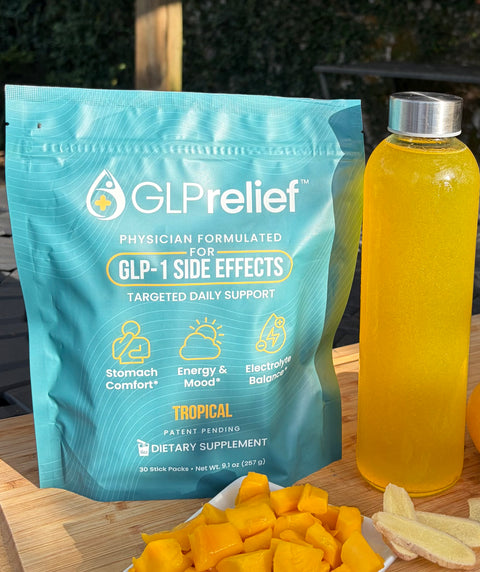
GLPrelief was formulated by Dr. George W. Carroll — a physician with 45 years in medical weight management and over 10,000 patients treated — to address the specific nutritional needs documented throughout this vault.

One daily stick pack. 15 physician-selected ingredients. Designed specifically for people on GLP-1 medications.

B-Vitamin Complex Magnesium Malate Electrolytes Ginger Root Extract L-Theanine Rhodiola Rosea Chamomile Gentle Fiber

*These statements have not been evaluated by the Food and Drug Administration. This product is not intended to diagnose, treat, cure, or prevent any disease. Always consult your healthcare provider before starting any supplement.