


Article: Powder vs Pills for GLP-1 Side Effects: Why Absorption Speed Matters More Than You Think


Powder vs Pills for GLP-1 Side Effects: Why Absorption Speed Matters More Than You Think
Does delayed gastric emptying from GLP-1 medications reduce the effectiveness of capsules and tablets?
1. GLP-1 Slows Digestion — And That Changes Everything
Here’s the part most people don’t think about: GLP-1 medications are designed to slow gastric emptying. That’s not a side effect — it’s part of how they work.
Drugs like Ozempic and Wegovy mimic the hormone GLP-1, which regulates appetite and blood sugar. One of its primary actions is delaying how quickly food leaves the stomach.
Clinical studies have shown GLP-1 receptor agonists significantly slow gastric motility, especially during the early weeks of treatment. That delayed emptying contributes to satiety — but it can also lead to nausea, bloating, and constipation.
Now ask yourself: if food sits longer in the stomach… what happens to pills?
Practical Tip: If you’re experiencing persistent nausea or bloating on GLP-1 therapy, consider discussing supplement delivery formats with your provider.
2. The Capsule Conundrum: When Pills Linger Too Long
Most capsules and tablets rely on mechanical breakdown in the stomach before absorption can occur in the small intestine.
But here’s the catch — if gastric emptying is delayed, capsules may remain in the stomach longer than intended.
Research published in the American Journal of Gastroenterology notes that delayed gastric emptying can affect drug dissolution and absorption timing. Prolonged gastric retention may also increase local irritation, especially in individuals already experiencing nausea.
As gastroenterologist Dr. Michael Camilleri has explained in discussions on motility disorders, “Delayed gastric emptying can alter the pharmacokinetics of orally administered agents.”
Translation? Pills may not behave the same way in a slowed system.
Practical Tip: If your supplements seem inconsistent or worsen nausea, timing and format may be playing a role.
3. The Pharmacokinetic Advantage of Powder
Here’s where things get interesting.
Powder supplements, when dissolved in water, bypass the mechanical breakdown phase required by solid pills. They enter the stomach already dispersed in liquid form.
That means:
- No capsule shell to dissolve
- No tablet compression to break apart
- Less reliance on gastric acid
In a system where motility is slowed, this can allow for more predictable transit into the small intestine — where most nutrient absorption actually occurs.
- Pharmacokinetics — the science of how substances move through the body — matters here. Faster, more reliable delivery can mean more consistent support for nausea, constipation, and fatigue relief.
In simple terms? A pre-dissolved solution doesn’t have to wait in line.
Practical Tip: If you’re on GLP-1 therapy and seeking digestive support, look for supplements designed with motility changes in mind.
4. Hydration: The Overlooked Side Effect Solution
Let’s talk about the elephant in the room — dehydration.
GLP-1 users frequently report:
-
Reduced thirst
-
Lower overall fluid intake
-
Increased constipation
-
Headaches and fatigue
According to the National Institutes of Health, even mild dehydration can impair cognitive performance and worsen fatigue symptoms.
Now here’s the strategic advantage: powder supplements are consumed in liquid. That means every dose also contributes to hydration.
Hydration plays a critical role in:
-
Preventing constipation
-
Supporting kidney function
-
Maintaining electrolyte balance
-
Reducing dizziness
It’s a two-for-one solution: symptom support plus fluid intake.
As performance expert Dr. Stacy Sims often emphasizes, “Hydration is not optional — it’s foundational.”
Practical Tip: Aim for at least 2–3 liters of fluids daily while on GLP-1 medications, unless otherwise directed by your healthcare provider.
5. Bioavailability: Why Delivery Format Impacts Results
Not all supplements are created equal — and delivery format affects bioavailability, or how much of a substance your body actually uses.
When pills linger in the stomach:
-
Dissolution may be delayed
-
Nutrient degradation may occur
-
Absorption timing becomes unpredictable
A liquid matrix can reduce these variables.
While more direct studies comparing powders vs capsules in GLP-1 populations are emerging, broader pharmacological research consistently shows that liquid formulations often demonstrate faster absorption profiles than solid dosage forms.
That doesn’t mean pills “don’t work.” It means context matters.
And the context of GLP-1 therapy is slowed gastric transit.
Practical Tip: When evaluating supplements, consider asking: “Was this designed for someone with altered digestion?”
6. Prevention vs Reaction: Stabilizing the GI Environment
Here’s a mindset shift that changes the game.
Many people wait until nausea or constipation becomes severe before taking action. But proactive support may help stabilize the gastrointestinal environment early.
A daily powder formulation:
-
Encourages consistent hydration
-
Supports motility indirectly
-
Reduces pill burden
-
Works with altered physiology instead of against it
Rather than reacting to side effects, this approach aims to minimize their intensity in the first place.
Think of it as reinforcing the digestive system while it adapts.
Practical Tip: Begin supportive measures during the dose-escalation phase of GLP-1 treatment, when side effects are most common.
FAQ Section
Why might pills not absorb well on GLP-1 medications?
GLP-1 medications slow gastric emptying, which can delay the breakdown and transit of capsules or tablets. This may lead to altered absorption timing.
Is powder better than capsules for GLP-1 users?
Powder supplements dissolved in water do not require mechanical breakdown. This may allow more predictable intestinal absorption in individuals experiencing slowed digestion.
Can hydration reduce GLP-1 side effects?
Yes. Adequate hydration helps reduce constipation, dizziness, fatigue, and kidney strain. Many GLP-1 users unintentionally decrease fluid intake due to reduced appetite and thirst.
What is gastroparesis and how does it relate to GLP-1?
Gastroparesis refers to delayed stomach emptying. GLP-1 medications intentionally slow gastric motility, which can mimic mild gastroparesis symptoms in some individuals.
Should I switch to powder supplements while on semaglutide?
If you are experiencing nausea, bloating, or inconsistent supplement effects, discussing alternative delivery formats with your healthcare provider may be beneficial.
The Bottom Line
GLP-1 medications are powerful tools — but they change the digestive landscape. When gastric emptying slows, delivery format suddenly matters a whole lot more.
Capsules and tablets weren’t designed with delayed motility in mind. Powder formulations, on the other hand, may offer a pharmacokinetic advantage by bypassing mechanical breakdown and simultaneously supporting hydration.
It’s not about hype. It’s about physiology.
When your body changes, your support strategy should change too.
If you’re navigating GLP-1 side effects, choosing smarter delivery formats could make the difference between struggling and stabilizing.
Ready to Work With Your Physiology — Not Against It?
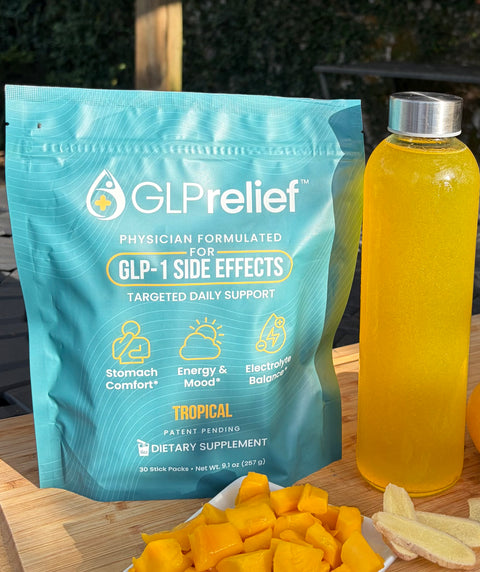
Switch to Smarter Relief → Try GLP Relief Powder Today
Medical Disclaimer
This article is for educational purposes only and is not intended as medical advice. GLP Relief is a dietary supplement and is not intended to diagnose, treat, cure, or prevent any disease. Always consult your healthcare provider before starting any new supplement, especially if you are taking prescription GLP-1 medications.